

In the current landscape of rapid technological progression, the smart office has emerged as a cornerstone concept for forward-thinking enterprises. More than just an operational venue, it offers an all-encompassing framework meticulously crafted to bolster efficiency, deliver significant financial advantages, and elevate the overall employee experience. This prompts a crucial inquiry: What defines a Smart Office, what are its inherent capabilities, and which evolving patterns are poised to redefine its future? Let us investigate.
A smart office can be succinctly defined as a workspace model leveraging cutting-edge technologies such as the Internet of Things (IoT), artificial intelligence (AI), automation systems, and interconnected devices. The primary objective of this intelligent office solution is to cultivate a flexible, optimized, and secure working environment.
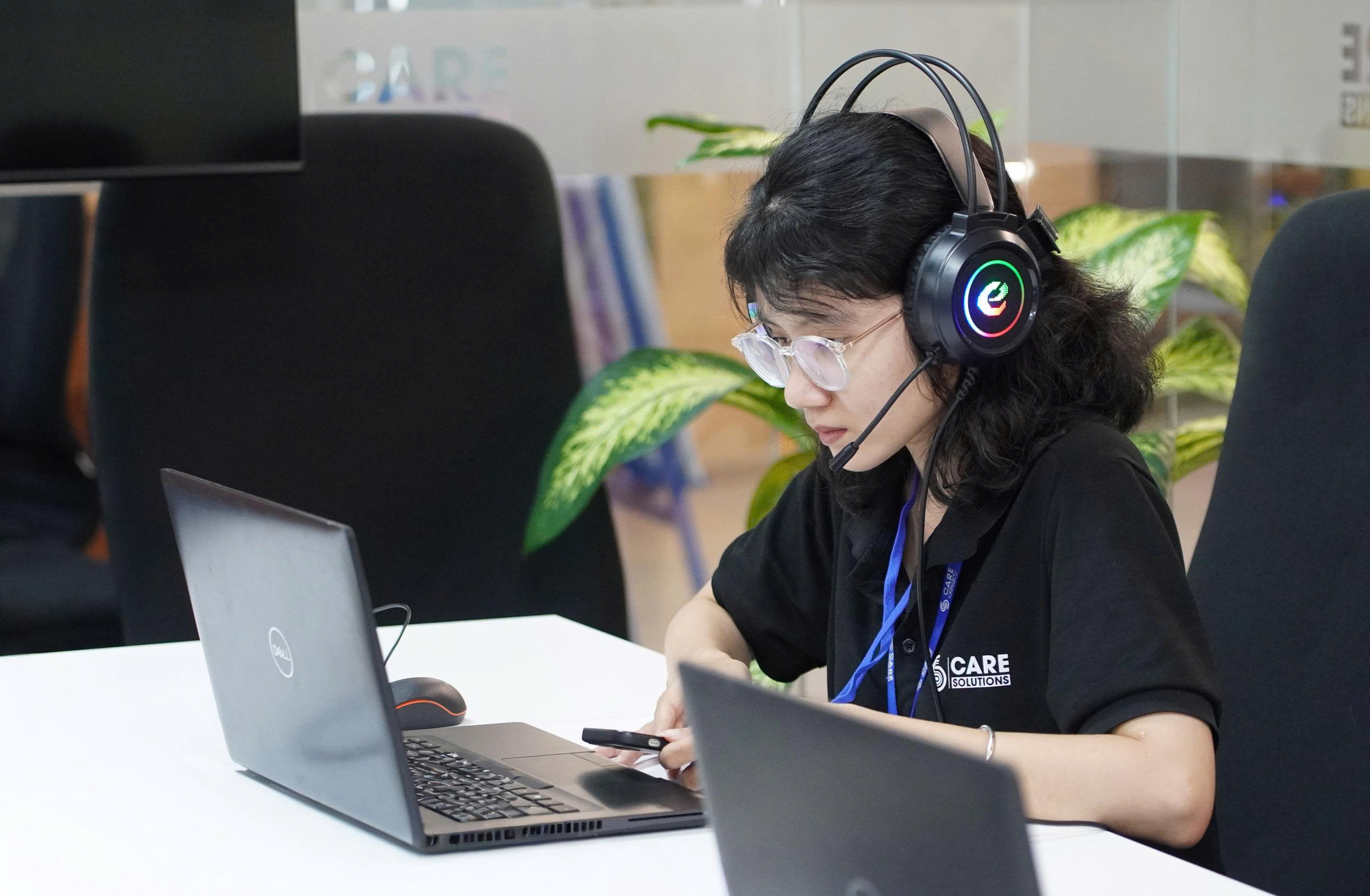
In essence, a smart office transcends mere aesthetics and modern design; it inherently possesses the capability to autonomously regulate lighting and temperature, oversee security processes, and analyze operational data. Every element is interconnected, enhancing employees to concentrate more intently on core tasks, rather than being diverted by time-consuming manual processes.
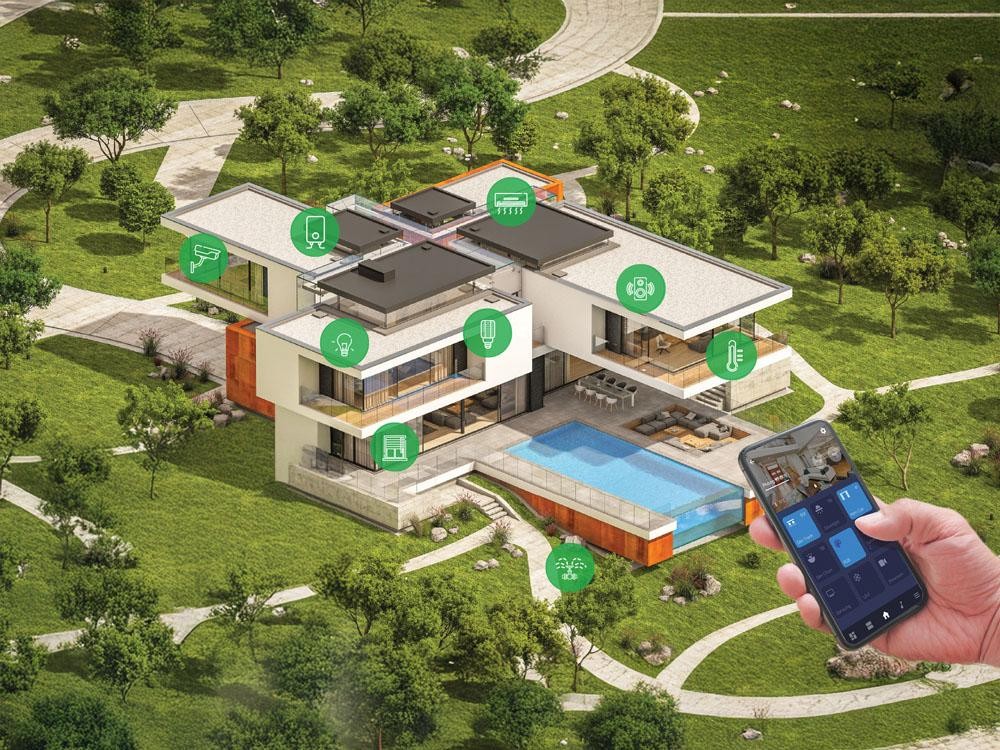
The Smart Office: A flexible, secure, and technologically optimized workspace solution.
Implementing smart office solutions is no longer the sole domain of multinational corporations; small and medium-sized enterprises are increasingly recognizing the profound benefits of this model.
Firstly, smart offices significantly enhance operational efficiency through automated processes, minimizing manual tasks and saving valuable time.
Secondly, this model offers unparalleled flexibility, enabling employees to work remotely, connect, and collaborate seamlessly from any location. This adaptability is particularly pertinent given the burgeoning trend of hybrid working arrangements
Thirdly, businesses can make significant energy and operational cost savings through integrated sensor systems and intelligent management platforms. These systems autonomously power down devices when not in use, regulate temperatures based on ambient conditions, and optimize both lighting and space utilization.
Ultimately, a modern, convenient, and employee-centric work environment will elevate the overall experience for staff, thereby playing a pivotal role in attracting and retaining top talent - a critical factor amidst today's fierce competitive landscape.
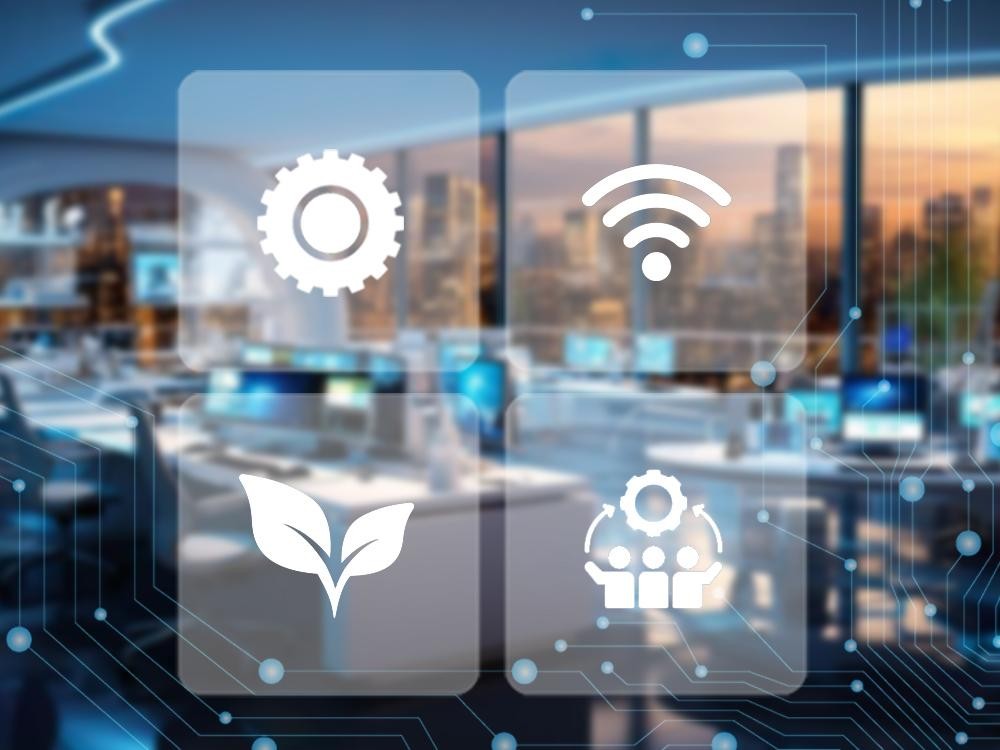
Four compelling reasons enterprises should implement a Smart Office: embrace agility, boost efficiency, achieve significant savings, and cultivate a talent magnet.
To effectively operate a smart office, businesses must thoroughly understand its pivotal components. Each element plays a crucial role in establishing an optimal work environment.
A cornerstone of any robust smart office solution lies in its management applications. These advanced systems enable control over lighting, temperature, access points, and security cameras with just a few taps on a mobile device. Furthermore, intuitive data dashboards empower managers to effortlessly monitor space utilization, energy consumption, and user behavior. This provides enterprises with the essential insights needed to make optimized decisions.
If technology serves as the brain of the smart office, then furniture undoubtedly forms its physical embodiment. Multifunctional desks, versatile modular units, and open-plan workspaces are all meticulously designed to cater to the constantly evolving needs of employees. Items such as standing desks, ergonomic chairs, movable partitions, and portable meeting pods not only optimize space utilization but also significantly enhance employee well-being and collaborative efficiency.
A truly complete smart office necessitates a Building Management System (BMS). This sophisticated system seamlessly integrates all electrical, water, fire safety, security, and HVAC functionalities. When these components operate in synergy, businesses can effortlessly oversee and maintain their infrastructure. Concurrently, data derived from the BMS also facilitates the analysis of space utilization patterns, thereby enabling the formulation of strategies for optimizing operational costs.
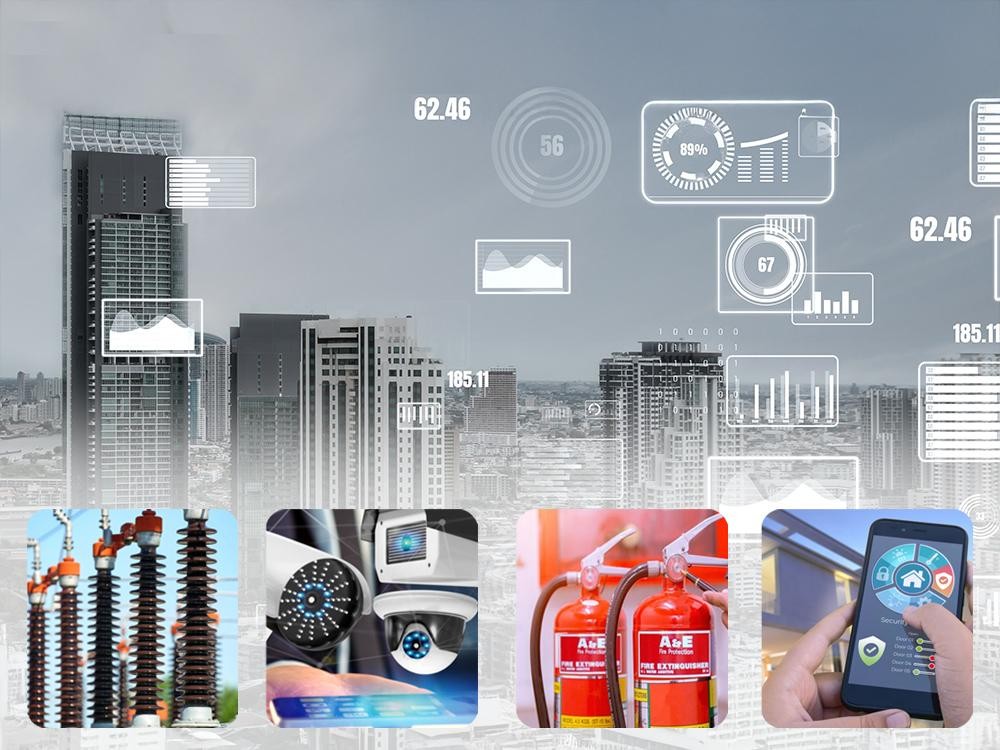
Smart Building Management Systems: Automated, Precise, Secure.
Beyond the aforementioned core elements, a smart office must also prioritize supplementary solutions such as robust mesh Wi-Fi systems, AR/VR devices for remote training, and advanced digital collaboration tools. Paramount to all these is security. Given the immense volume of data stored and transmitted, businesses must make a serious commitment to comprehensive cybersecurity and privacy solutions.
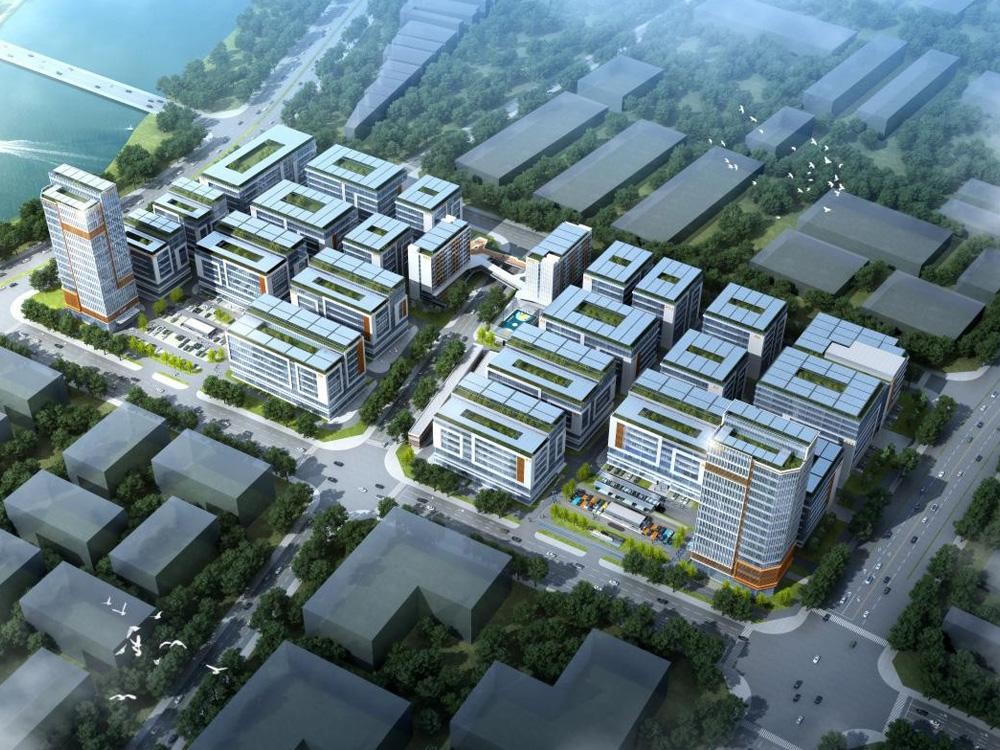
The smart office trend is continuously evolving to meet emerging demands. Globally, pioneering intelligent buildings such as The Edge (Netherlands), TechnoPark Tower (Vietnam), and Smart Work Hub (Japan) have conclusively demonstrated remarkable feasibility and superior efficiency.
First, the hybrid workplace trend is compelling businesses to significantly invest in IoT and AI infrastructure to sustain operational flexibility.
Second, novel technologies like Digital Twin (digital simulation) facilitate real-time space management and enable the prediction of potential operational risks.
Third, sustainability and "green" initiatives are becoming mandatory criteria. Smart office solutions not only conserve energy but also aim to reduce carbon emissions, fostering an environmentally friendly workspace.
Finally, Employee Experience is now a top priority for global corporations. From dedicated rest areas and well-appointed pantries to soundproof phone booths, every element is meticulously designed to nurture the physical and mental well-being of the workforce.
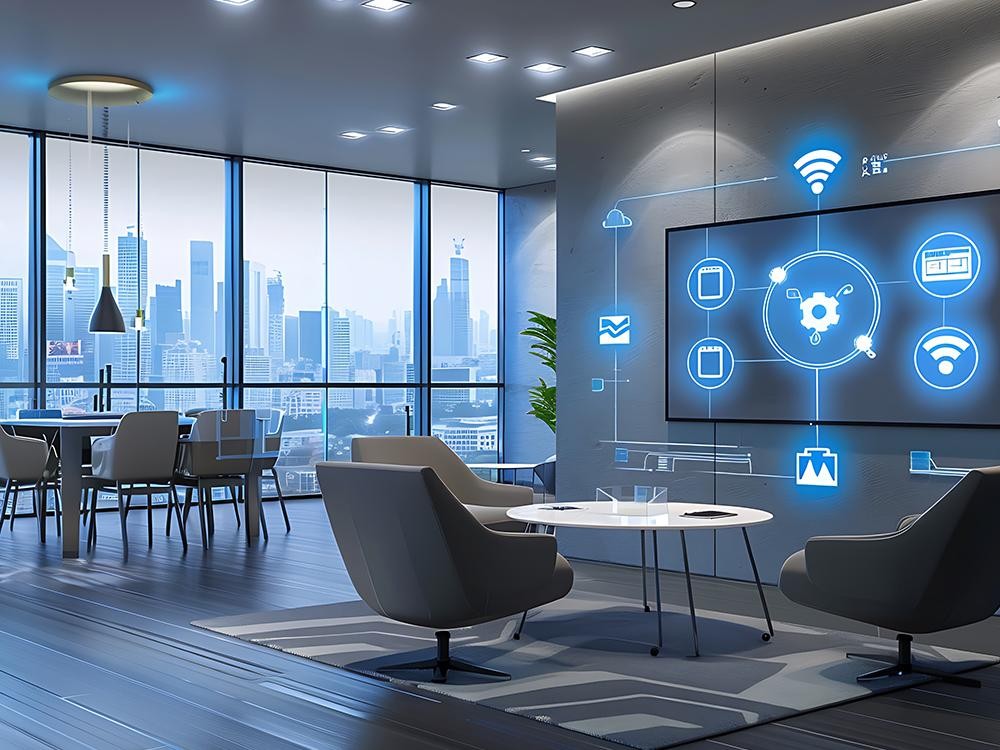
Key trends shaping the Smart Office: Flexible Infrastructure – Digital Transformation – Sustainable Operations – Enhanced Employee Well-being.
The smart office is clearly no longer a distant concept; it has become an inevitable trend. In the near future, the question will shift from "What defines a smart office?" to "Is your enterprise prepared for the smart office?" Investing in smart office solutions isn't merely a commitment for today, but rather a sustainable foundation for long-term business growth. If you're considering transforming your workspace, don't hesitate to seek out reputable partners to bring the ideal smart office to fruition for your organization.
------------------------------
Contact information:
ALTARA HOSPITALITY GROUP
🏢 Address: Room 1901, Saigon Trade Center, 37 Ton Duc Thang, Saigon Ward, Ho Chi Minh City
Hotline: 0911 401 955
Email: Cs@caresolutions.com.vn
Facebook: https://www.facebook.com/altara.com.vn
LinkedIn: https://www.linkedin.com/company/altarahospitalitygroup/